

impact
Case Study
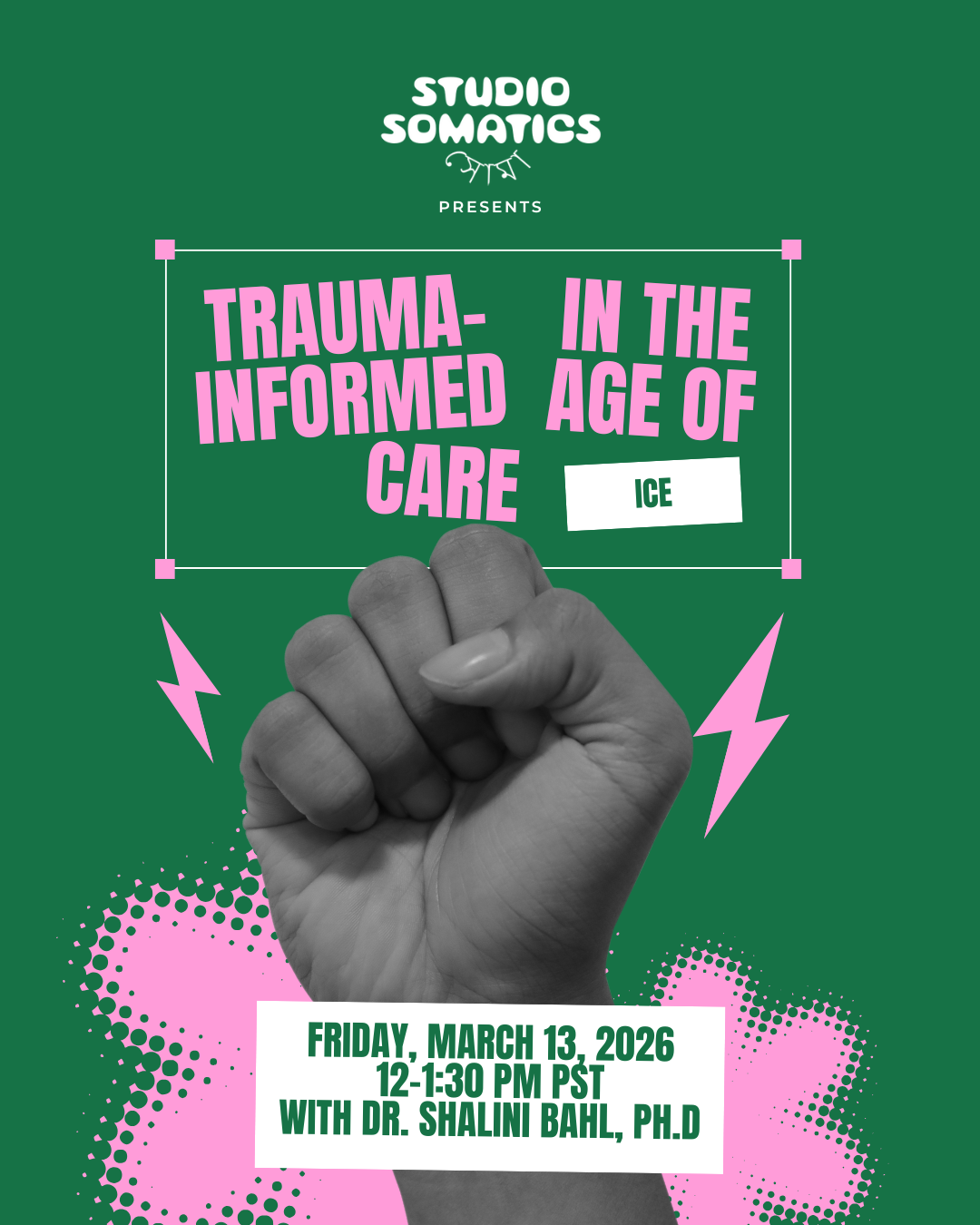
Trauma-Informed Care in the Age of ICE workshop
March 13, 2026
Overview
As immigration enforcement actions intensified across the United States and communities faced growing fear, uncertainty, and psychological distress, Studio Somatics convened a community-centered workshop designed to address both the emotional and practical realities of navigating an increasingly hostile environment.
Trauma-Informed Care in the Age of ICE was a 90-minute virtual workshop that brought together mindfulness education, somatic practices, community care strategies, and legal literacy resources to support individuals, families, advocates, educators, and organizers impacted by immigration-related stress and uncertainty.
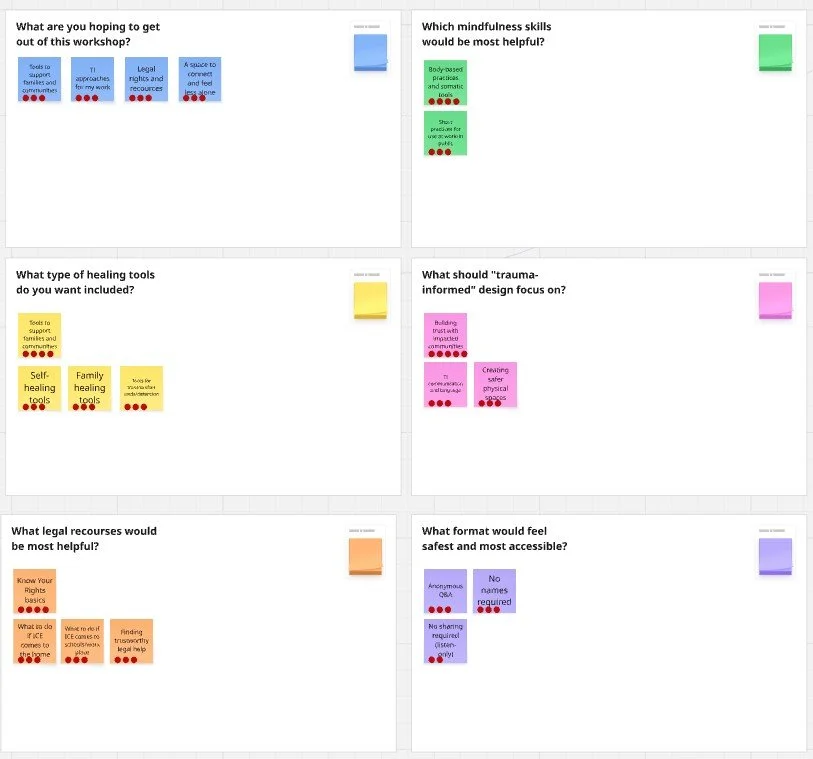
The program was developed in response to a pressing community need: creating accessible spaces where participants could process collective anxiety, strengthen resilience, access reliable information, and develop practical tools for navigating difficult circumstances with greater clarity and agency.
The Challenge
For many immigrant communities and mixed-status families, the threat of detention, deportation, family separation, and anti-immigrant rhetoric can create chronic stress that impacts emotional well-being, decision-making, relationships, and overall quality of life.
Community members often face multiple barriers simultaneously:
Limited access to culturally responsive mental health support
Fear-based misinformation and uncertainty
Increased anxiety and nervous system dysregulation
Social isolation and diminished feelings of safety
Difficulty identifying trusted legal and community resources
Traditional informational resources alone are often insufficient. Community members also need opportunities to process fear, reconnect with their own resilience, and strengthen supportive relationships with others facing similar challenges.
Our Approach
Studio Somatics designed the workshop around a holistic framework that integrated trauma-informed education, mindfulness, somatic awareness, and legal literacy.
Rather than focusing solely on crisis response, the session emphasized sustainable resilience-building practices participants could continue using beyond the workshop itself.
The experience combined:
Grounding and Regulation Practices
Participants were guided through accessible somatic and mindfulness exercises designed to reduce stress, increase present-moment awareness, and support nervous system regulation.
Trauma-Informed Education
Facilitators explored how chronic stress and uncertainty affect the body and mind while introducing practical approaches for responding with greater self-awareness and care.
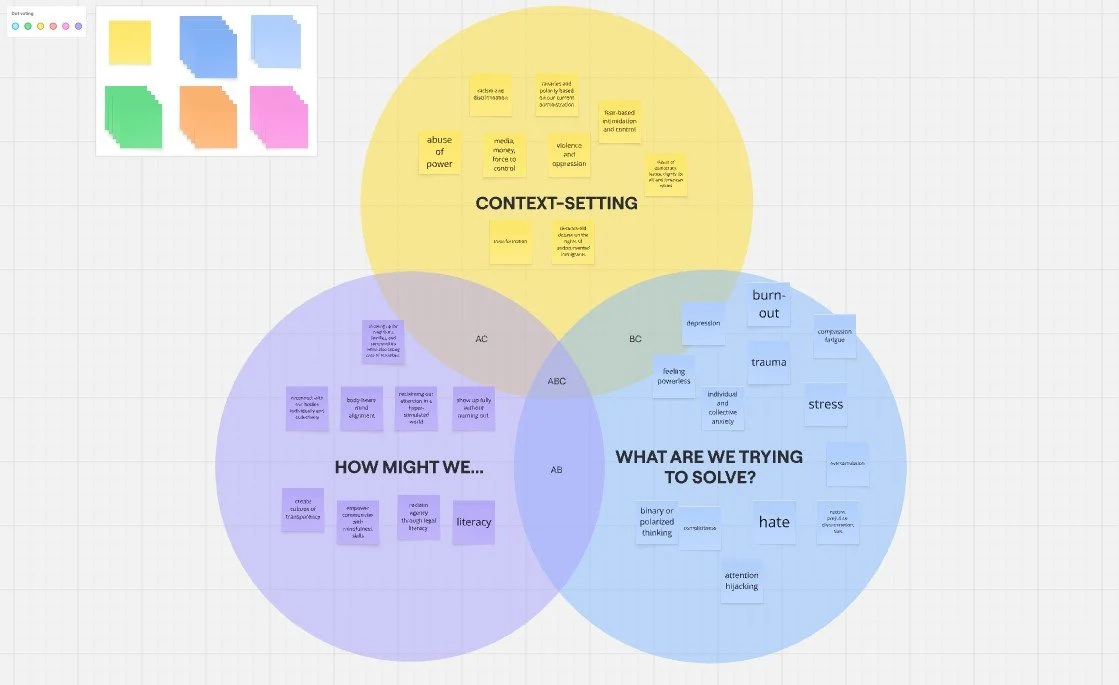
Community Reflection and Dialogue
Participants engaged in facilitated reflection designed to reduce isolation, normalize emotional responses, and foster connection and solidarity.
Practical Micro-Practices
Attendees learned simple techniques that could be incorporated into daily life to support emotional regulation during periods of uncertainty and overwhelm.
Legal Literacy and Resource Navigation
Participants received guidance on trusted legal resources and practical considerations related to immigration-related concerns, helping bridge the gap between emotional support and actionable information.
Intended Outcomes
The workshop was designed to help participants:
Understand the relationship between stress, trauma, and the nervous system
Develop practical tools for emotional regulation and self-care
Increase confidence in navigating uncertainty
Access trusted legal and community resources
Strengthen feelings of connection, solidarity, and support
Build greater capacity for sustainable community engagement and advocacy
facilitator team

laureen andalib
Trauma-Informed EducatorFounder of Studio Somatics, interdisciplinary storyteller, designer, and trauma-informed educator. Laureen facilitated discussions on community resilience, embodied awareness, and collective care during periods of social and political uncertainty.

angana saha
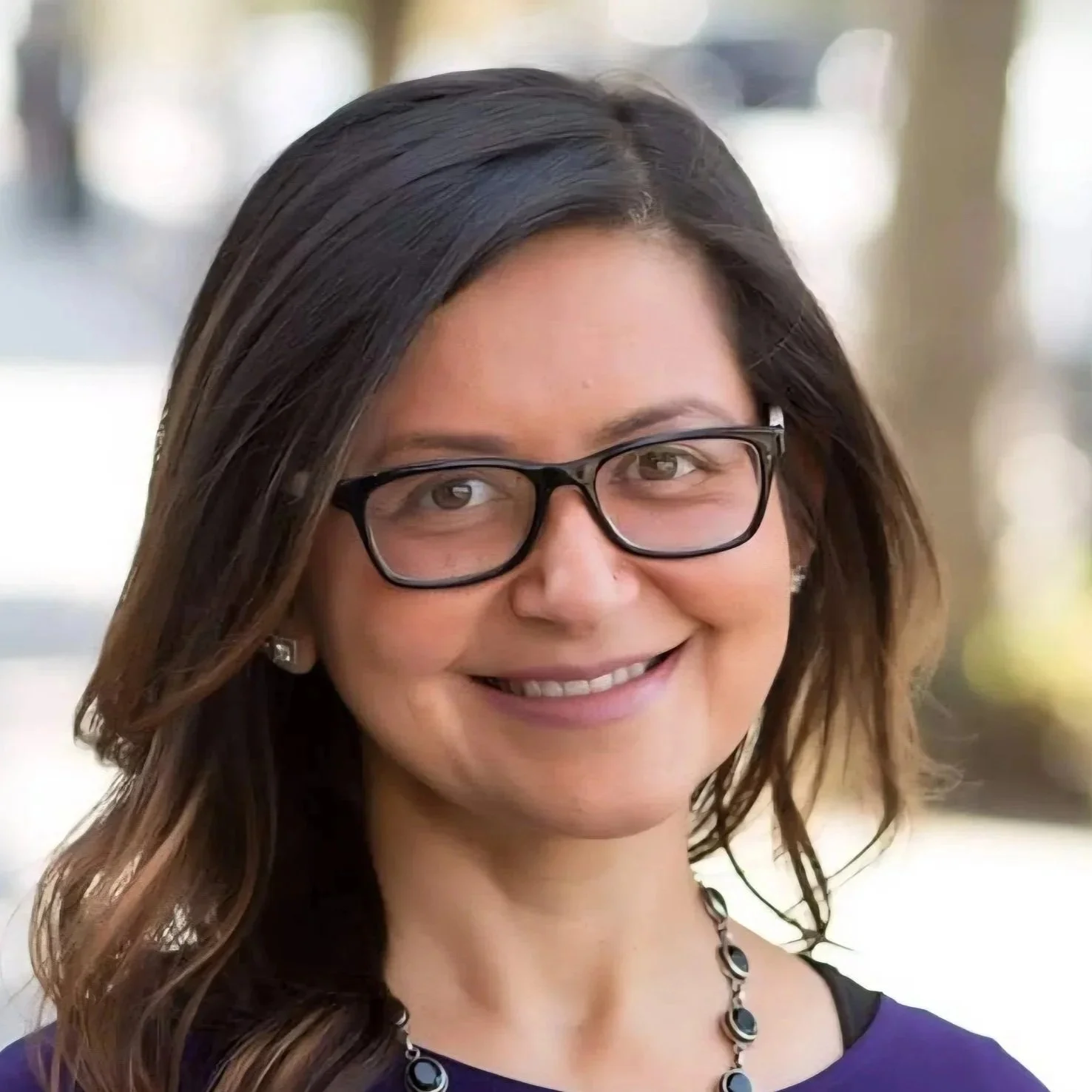
shalini bahl
Lead FacilitatorMindfulness educator, author of Return to Mindfulness, certified Mindfulness-Based Stress Reduction (MBSR) instructor, and founder of Sama Life. Dr. Bahl guided participants through practical mindfulness practices designed to help individuals respond skillfully to stress and uncertainty.
Legal MentorLegal advocate and community educator whose work focuses on immigration justice, civic engagement, and accountability. Angana provided legal literacy insights and resources informed by her experience supporting immigration-related advocacy and pro bono legal efforts.
Impact
The Trauma-Informed Care in the Age of ICE workshop demonstrated the value of integrating trauma-informed education, mindfulness practices, legal literacy, and community support within a single learning experience designed to strengthen resilience during times of uncertainty.
Survey responses indicated meaningful outcomes across emotional well-being, preparedness, and resource awareness:
67% of participants reported feeling more prepared to support themselves or others during moments of stress or crisis related to immigration enforcement activity.
67% rated the workshop as highly valuable, with half describing the experience as extremely valuable.
67% identified grounding and mindfulness practices as the most helpful component of the workshop, highlighting the importance of accessible tools for nervous system regulation and stress management.
50% reported that learning about trauma and the nervous system improved their understanding of how stress impacts emotional and physical well-being.
50% identified legal resources and facilitator guidance as key takeaways, demonstrating the importance of pairing emotional support with practical information and trusted community resources.
Participants left with increased awareness of how stress manifests in the body, practical tools for self-regulation, greater understanding of available resources, and a stronger foundation for responding to uncertainty with clarity and care.
The workshop reinforced Studio Somatics' core belief that community resilience is strengthened when individuals have access to both internal resources—such as mindfulness, self-awareness, and emotional regulation—and external support systems including trusted information, legal resources, and collective care networks. Through this integrated approach, participants were better equipped to navigate challenges while remaining connected to themselves and their communities.
How valuable was this workshop for you?
key learnings
Integrating Emotional Support with Practical Resources Increases Preparedness
Survey findings suggest that participants benefited most from a holistic approach that combined emotional well-being practices with actionable information. While 67% reported feeling more prepared to navigate stress or crisis following the workshop, 50% specifically identified legal resources and practical guidance as among the most valuable components of the experience. This reinforces the importance of pairing trauma-informed support with concrete pathways for action.
Accessible Well-Being Practices Strengthen Community Resilience
The strongest area of impact emerged through mindfulness and grounding practices, with 67% of participants identifying these tools as the most helpful aspect of the workshop. Participants reported leaving with practical techniques they could immediately apply to manage stress, regulate their nervous systems, and navigate uncertainty with greater confidence and stability.
Trauma Education Builds Awareness and Agency
Half of participants identified learning about trauma and the nervous system as a key takeaway, demonstrating the value of helping individuals understand the physiological impacts of chronic stress. By increasing awareness of how stress manifests in the body, participants gained a stronger foundation for recognizing their needs and responding more intentionally during challenging circumstances.
Which parts of the workshop were most helpful?
Community-Centered Learning Reduces Isolation
Although participants entered the workshop from diverse personal and professional backgrounds, facilitated discussion and collective reflection created opportunities for connection, mutual support, and shared learning. Participants consistently highlighted the importance of gathering in community during a period marked by uncertainty and fear, reinforcing the role of collective care in fostering resilience.
Interdisciplinary Facilitation Creates Stronger Outcomes
The workshop's interdisciplinary design—combining mindfulness education, trauma-informed facilitation, legal literacy, and community dialogue—contributed to a more comprehensive learning experience. By bringing together expertise across multiple fields, participants were able to engage both the emotional and practical dimensions of crisis response, resulting in a more holistic and impactful experience than a single-focus intervention alone.
After this session, how prepared do you feel to support yourself or others during moments of stress or crisis related to ICE activity?
Looking Ahead
Trauma-Informed Care in the Age of ICE reflects Studio Somatics' commitment to creating responsive programs that meet communities where they are—especially during moments of uncertainty, transition, and collective challenge.
As Studio Somatics expands its nonprofit programming, we will continue developing workshops and community learning experiences that integrate storytelling, embodied practice, cultural resilience, and practical resource-sharing to support individual and collective well-being.
Areas of Focus: Trauma-Informed Education • Community Resilience • Immigration Justice • Mindfulness • Somatic Practice • Collective Care • Public Learning • Community Wellness
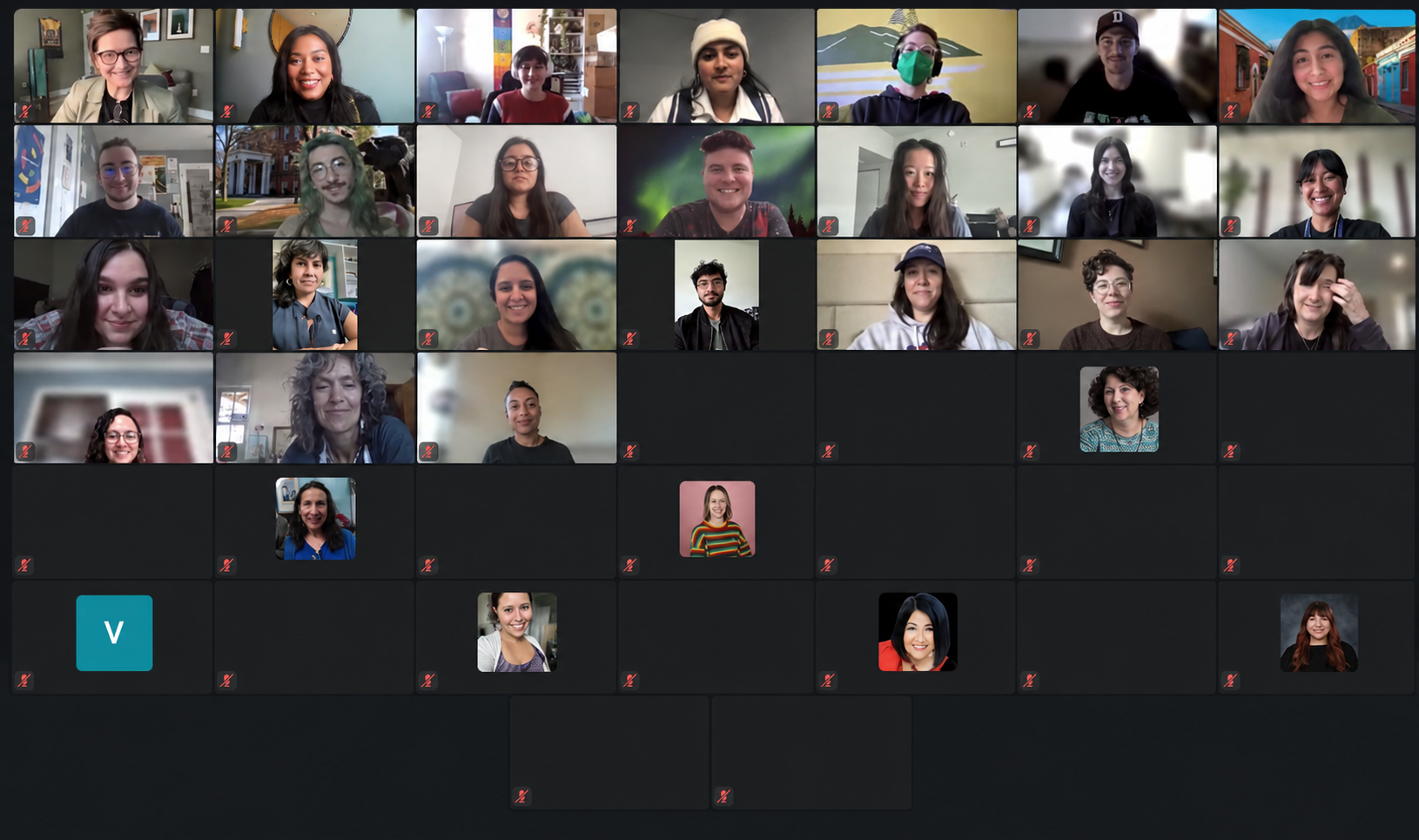
Participant names removed due to confidentiality.
4.9 star workshop rating
100% survey responders
“It was such a healing and relaxing space.”
— Former Workshop Participant“The somatic techniques shared in this workshop have been invaluable.”
— Former Workshop Participant“I appreciate the time, attention, and intention put into creating this space.”
— Former Workshop Participant